
We would like to outline the transformational change in digital and sustainable areas in textile industry through reports and with interviews of drivers of change through our article.
Published on
July 15, 2026

The fashion and textile industry is undergoing a profound transformation, the key signals of change listed in the from Systems Change Report as: increasing pressure from textile regulations, such as the EU’s corporate sustainability due diligence and emission trading systems emerging across Asia, climate risks and extreme weather, acceleration of decarbonisation pressures, growing ,the rapid adoption of AI and digitalisation.
Initally to understand the textile industry's scale and technological trajectory, we can consider the following data points:
Drivers of change and data
Significant data, and drivers of change signals that digital platforms can be essential tools for systemic change within the textile industry, for accelerating sustainable transition across various fields such as circularity, transparency, and innovation. As a result of this transformation, companies emerging in the digital space stand out with sustainability and impact oriented solutions. Throughout the article, we will analyze how digital platforms shape the ecosystem by highlighting four specific ones that operate in distinct fields: circularity, decarbonisation, eco-innovation, and traceability.
Reuse, upcycle, recycle, repeat
The integration of circular models into fashion has major positive impacts on the environment at every stage of the supply chain, from reducing dependence on raw materials to improving waste management efficiency. Atelier Riforma with the aim of boosting the circular transition of the fashion industry. They created the Re4Circular platform to foster greater circularity in the fashion industry, which works in two distinctive ways. Initially directing all waste textiles towards virtuous circular economy practices: reuse, upcycle, recycling, furthermore supporting the fashion industry to use secondary raw materials instead of virgin ones. Additionally, the platform serves as a digital B2B marketplace, for matching collected and used textiles with circular fashion businesses of post-consumer textiles.
Decarbonisation data in action
Today, the global fashion industry accounts for an estimated 3 to 8 percent of total greenhouse gas (GHG) emissions, and the industry’s emissions are expected to increase by about 30 percent by 2030 if no further action is taken, according to the Mc Kinsey Report. As we mentioned before with the acceleration of decarbonisation pressures in the fashion industry, Carbonfact runs an innovative solution to this challenge. The company started their operations with the mission to decarbonize the fashion industry. Through their meeting with hundreds of textile brands and suppliers in 2021, they have realized that collecting data and reporting on product and supply-chain information is a complex task that requires comprehensive data management. Their belief is that fashion brands should be able to measure and report on climate progress with limited manual work. After 20 months of research and development, they automated life cycle assessment, and carbon accounting for textiles and footwear, to support brands in collecting, measuring, and reducing their carbon emissions at scale.
Weaving transparency and traceability to supply chain
Transparency and traceability are the key tools to produce ecological and fair products. The European Digital Product Passport requirement, which is a tool to trace the product through the entire supply chain, declared initially on Ecodesign for Sustainable Products Regulation (ESPR) is planned to be fully implemented by 2030, which will bring the crucial traceability layer to the textile industry, which is expected to be a significant milestone.
Retraced is the AI-first platform for sourcing, product compliance, and supplier lifecycle collaboration, which is one connected system for data decisions for fashion supply chains. Three founders previously developed a shoe brand and this experience made them realise a need for artisan-consumer connections, so they founded Retraced in 2019, with a focus on supply chain transparency, a platform already in use for fashion brands and textile suppliers.
Future of digital and sustainable transition in the textile industry
We would like to outline the future of digital and sustainable transition in the textile industry with our related question to Atelier Riforma and Carbonact. Atelier Riforma reflects that “We would like new technologies, like the ones we use: - AI and platforms - not to be an end, but a means for greater sustainability. In fact, the fashion industry needs to reduce overproduction, minimize waste, decrease the use of non-recyclable materials, have a more transparent supply chain, pay its workers with dignity, make consumers more responsible, and manage waste as a resource, close the loop. ”
Carbonact's vision for the future of fashion was “ We believe that carbon is a data problem; what you don’t measure, you can’t reduce. The industry’s future lies in digital systems that centralize scattered product data to enable precise footprint measurement and eco-design. We also believe that the most effective environmental data solutions will specialize in one industry, rather than trying to cover all sectors, so they can reflect its specific materials, processes, and supply chains. ”
The pioneers of the change offered thoughtful and profound insights into the future of textiles. Through data management, the integration of circular business practices, and collaboration on eco-innovations via digital tools, a global mindset may create a massive and rapid impact. In the era of polycrisis, we need more of those thoughtful, -science and technology- based solutions in action for long-lasting systemic change.
We would like to outline the transformational change in digital and sustainable areas in textile industry through reports and with interviews of drivers of change through our article.
Read more
Every month we will be giving space to one of the game changer initiative, company and start up that works on creating positive impact on textile industry. This month we will be presenting Ren Collective.
Read more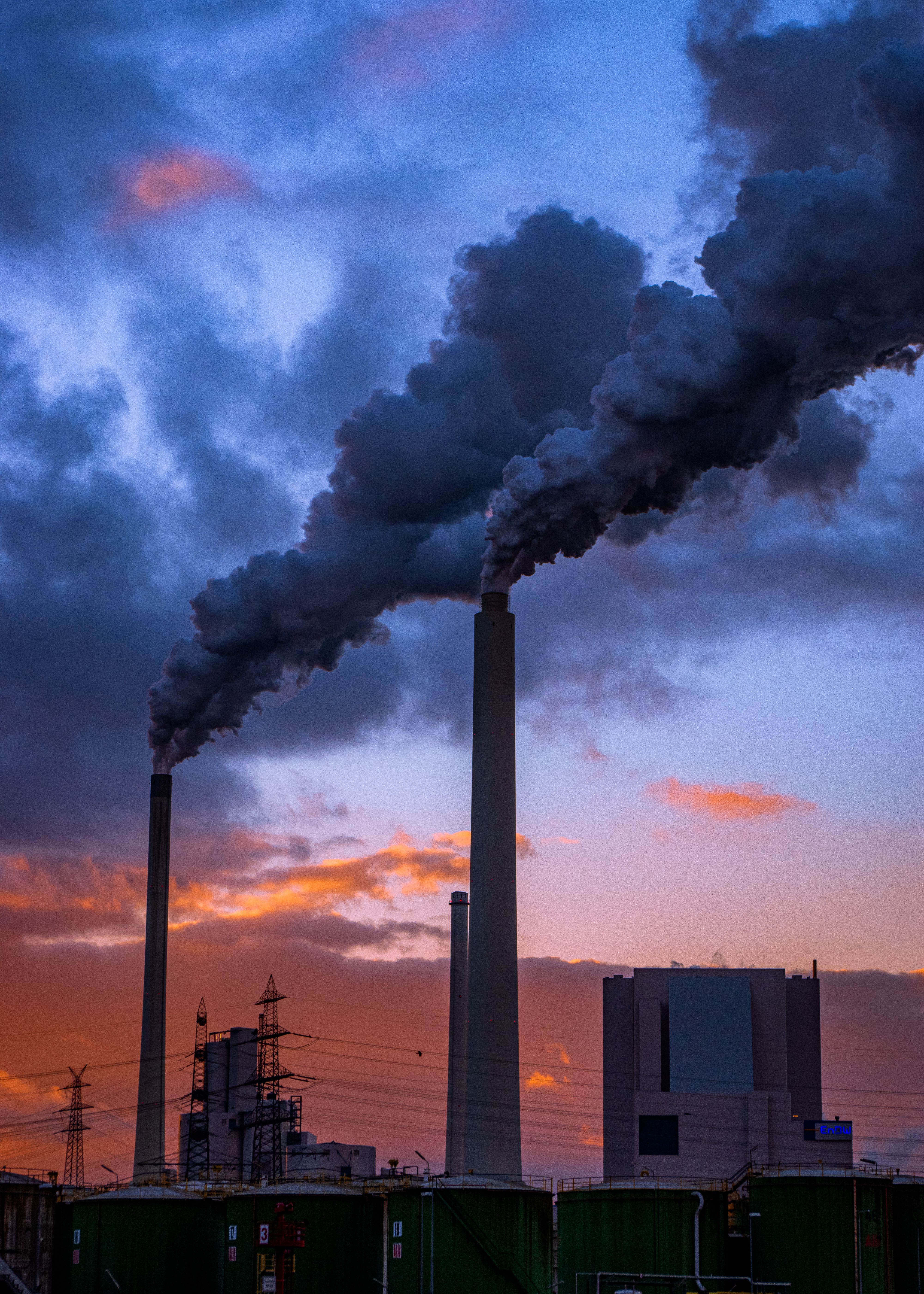
Decarbonisation is the one of the headline in the fashion industry right now which is highly integrated with traceability and the circularity.
Read moreConnect, innovate, transform


