
Decarbonisation is the one of the headline in the fashion industry right now which is highly integrated with traceability and the circularity.
Published on
June 15, 2026
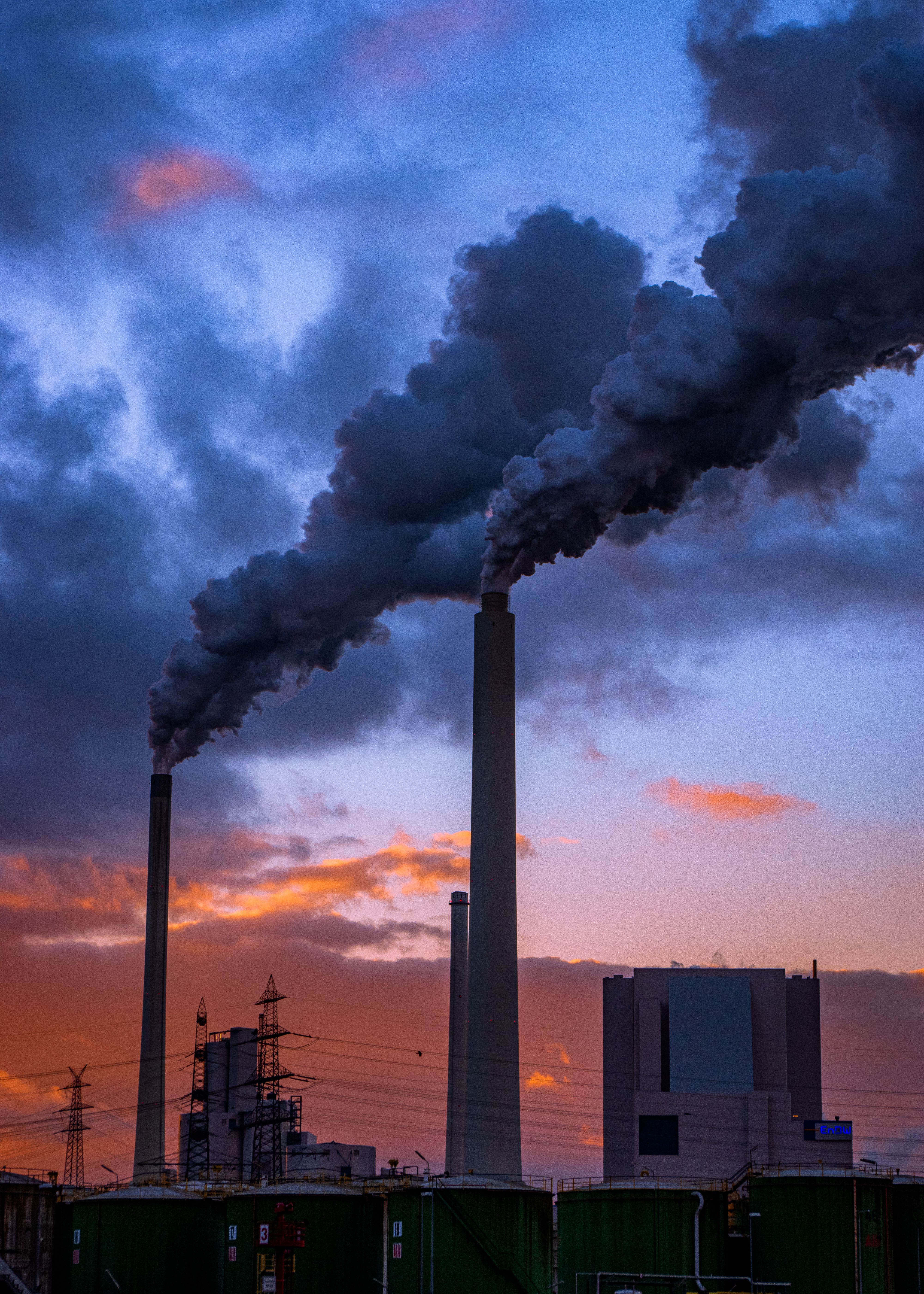
Linear model in textile industry has resulted in significant negative environmental impacts. In 2018, the global fashion industry produced around 2.1 billion tonnes of greenhouse gas (GHG) emissions, equalling 4% of the global total. Around 70% of the fashion industry’s emissions come from upstream activities, such as materials production, preparation, and processing, highlighting the critical importance of finding new ways to decouple revenues and growth from production and resource use.
Decarbonising Fashion’s Hidden Engine: Industrial Heat as the Missing Link in Climate Action
The global fashion industry has increasingly positioned itself at the center of the climate conversation. From sustainable materials and circular design to resale platforms and transparency tools, progress is visible at the consumer-facing end of the value chain. Yet beneath the surface lies a far more complex and carbon-intensive reality: industrial heat. According to leading climate analyses, thermal energy used in manufacturing particularly for processes such as dyeing, finishing, washing, and drying remains one of the largest and least addressed sources of emissions in fashion supply chains.
Two major bodies of research, the Fashion on Climate report and the Low-Carbon Thermal Roadmap, converge on a critical insight: without decarbonising industrial heat, fashion cannot meet its net-zero ambitions.
Fashion’s Emissions Challenge: Beyond Materials and Transport
The Fashion on Climate report highlights that the industry is responsible for a significant share of global greenhouse gas emissions, with upstream activities raw material production and processing accounting for the majority of its climate impact. While brands have made commitments to renewable electricity, energy efficiency, and material substitution, progress remains far too slow to align with a 1.5°C pathway.
A key reason is structural. Much of fashion manufacturing is concentrated in regions where fossil fuels dominate the energy mix and where factories rely heavily on coal, oil, and gas for process heat, not electricity. Even where electricity grids are decarbonising, thermal energy often remains locked into legacy boiler systems with lifespans of several decades.
Industrial Heat: The Carbon-Intensive Core of Manufacturing
The Low-Carbon Thermal Roadmap provides a detailed system level view of industrial heat across sectors, including textiles. It shows that a substantial share of industrial energy demand is for temperatures below 200°C precisely the range required for most textile wet processing. This is a crucial finding, because low and medium temperature heat is technically feasible to decarbonise today.
Technologies such as electric boilers, industrial heat pumps, solar thermal systems, and hybrid solutions already exist and are commercially available. However, deployment remains limited due to high upfront costs, lack of technical expertise, fragmented policy incentives, and misaligned investment structures.
For the fashion industry, this means the barrier is no longer technological feasibility, but coordination, financing, and strategic prioritisation.
The Investment Gap and the Supplier Reality
Both reports emphasise a persistent disconnect between brand level climate commitments and supplier level realities. Fashion brands often lack direct ownership of factories, while manufacturers operate on thin margins and short-term contracts that discourage long-term capital investments in clean energy infrastructure.
The Fashion on Climate report estimates that achieving net zero across the value chain will require trillions of dollars in cumulative investment by 2050, much of it directed upstream. Yet current capital flows remain insufficient, and small and medium-sized suppliersparticularly in Asia and Southern Europe face limited access to affordable financing for low-carbon heat technologies.
The Low Carbon Thermal Roadmap reinforces this point, noting that industrial decarbonisation will stall without innovative financing models, risk sharing mechanisms, and public private collaboration. In the absence of such frameworks, fossil based heat remains the default option.
Policy, Infrastructure, and Systemic Change
Policy plays a decisive role in unlocking low carbon thermal transitions. The Thermal Roadmap highlights the importance of carbon pricing, fuel switching incentives, grid upgrades, and industrial energy planning. Without these, even the most committed brands and manufacturers struggle to act.
From a fashion perspective, this suggests a need for collective action beyond individual brand strategies. Industry coalitions, shared infrastructure projects, and regionally coordinated decarbonisation hubs can significantly reduce costs and risks. Aligning fashion climate action with broader industrial and energy policies is no longer optional it is essential.
A Strategic Opportunity for Fashion
Despite the scale of the challenge, both reports point to a strategic opportunity. Because textile processes often require lower-temperature heat, fashion can become a first mover in industrial heat decarbonisation, demonstrating scalable solutions that other sectors can follow.
Brands that invest early in supplier heat transitions through long term contracts, co-investment, and technical support can secure more resilient supply chains, reduce regulatory risk, and build credible climate leadership. Moreover, decarbonising thermal energy often delivers co-benefits, including reduced air pollution, improved worker health, and operational efficiency.
Climate leadership in fashion will increasingly be measured not by marketing claims or material swaps alone, but by tangible investments in the energy systems that power production. Industrial heat may be invisible to consumers, but it is the hidden engine of fashion and the key to its decarbonised future.

We would like to outline the transformational change in digital and sustainable areas in textile industry through reports and with interviews of drivers of change through our article.
Read more
Every month we will be giving space to one of the game changer initiative, company and start up that works on creating positive impact on textile industry. This month we will be presenting Ren Collective.
Read moreDecarbonisation is the one of the headline in the fashion industry right now which is highly integrated with traceability and the circularity.
Read moreConnect, innovate, transform


